How to Build the Perfect Activewear Wardrobe: The Ultimate Women's Guide (2026)
A well-planned activewear wardrobe doesn't need dozens of outfits. Instead, focusing on versatile, high-quality essentials that work across multiple activities allows you to mix and match seamlessly without cluttering your closet.
By choosing foundational pieces with technical fabrics and timeless silhouettes, you can transition effortlessly from morning gym sessions to afternoon errands.
Starter Activewear Checklist
Building a functional capsule workout wardrobe starts with these core essentials:
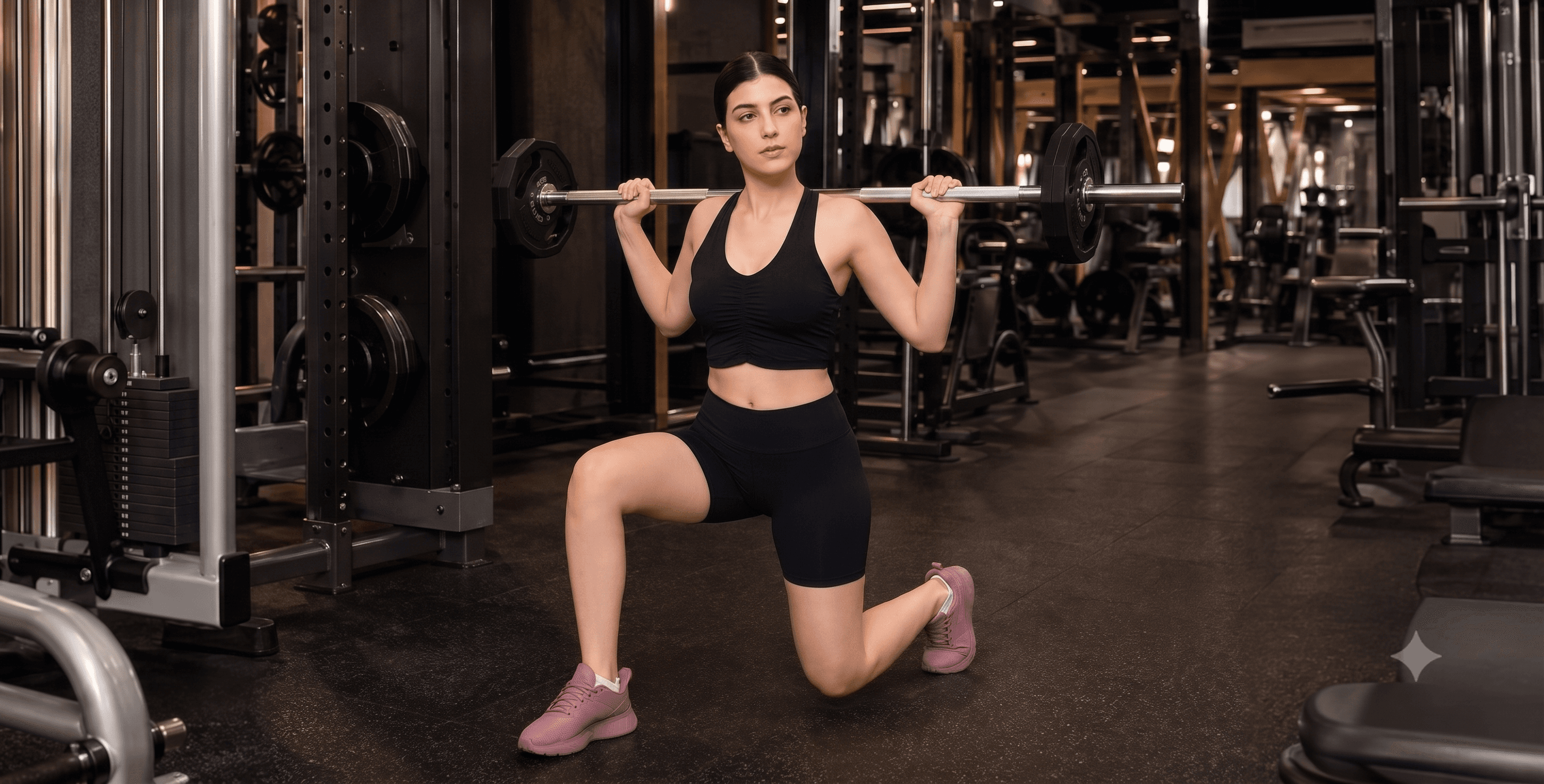
| Essential Item | Recommended Quantity | Primary Purpose | Key Features to Look For | | :--- | :--- | :--- | :--- | | High-Waisted Leggings | 2–3 Pairs | Lifting, Running, Yoga | Squat-proof opacity, stay-put waistband | | Medium-Support Sports Bras | 2 Pieces | Strength, Cycling, Pilates | Breathable padding, four-way stretch | | High-Support Sports Bra | 1 Piece | HIIT, Running, Cardio | Maximum bounce control, structured straps | | Performance Tees / Tanks | 3 Tops | General Training, Cardio | Moisture-wicking technical synthetic blend | | Lightweight Jacket / Hoodie | 1 Outerwear | Outdoor Training, Warm-ups | Full-zip convenience, quick-drying fabric | | Workout Shorts / Bikers | 2 Pairs | Warm-Weather Training | Anti-chafing inseams, secure pockets | | Versatile Joggers | 1 Pair | Rest Days, Athleisure | Soft hand-feel, tapered modern fit | | Moisture-Wicking Socks | 2–3 Pairs | Daily Training | Reinforced heel, arch support |
Choosing Activewear for Different Seasons
Summer Workouts
During warmer months, prioritize lightweight, highly breathable clothing that moves heat away from your skin.
- Recommended Gear: Sleeveless training tops, high-waisted biker shorts, lightweight cropped leggings, and breathable mesh-panel sports bras.
- Fabric Choice: Ultra-light moisture-wicking blends in lighter colorways to reflect direct sunlight during outdoor training.
Winter Training
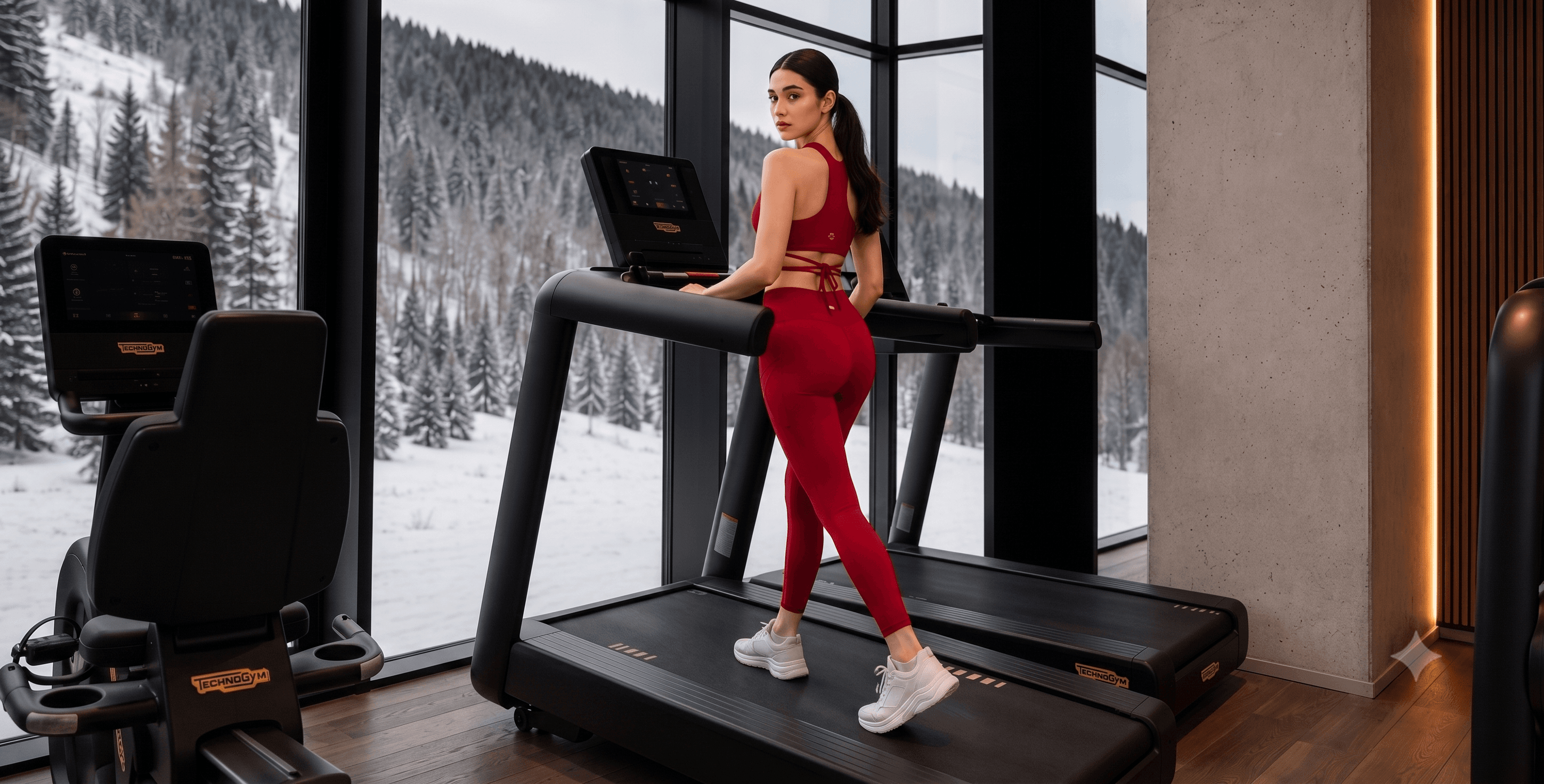
Cold-weather workouts require strategic layering to insulate body heat without trapping moisture against your skin.
- Recommended Gear: Long-sleeve performance base layers, thermal-lined leggings, wind-resistant lightweight jackets, and moisture-wicking running gloves.
- Layering Rule: Avoid heavy 100% cotton layers, which retain cold sweat against your skin and cause rapid chilling.
Outdoor Training & Weather Adaptability
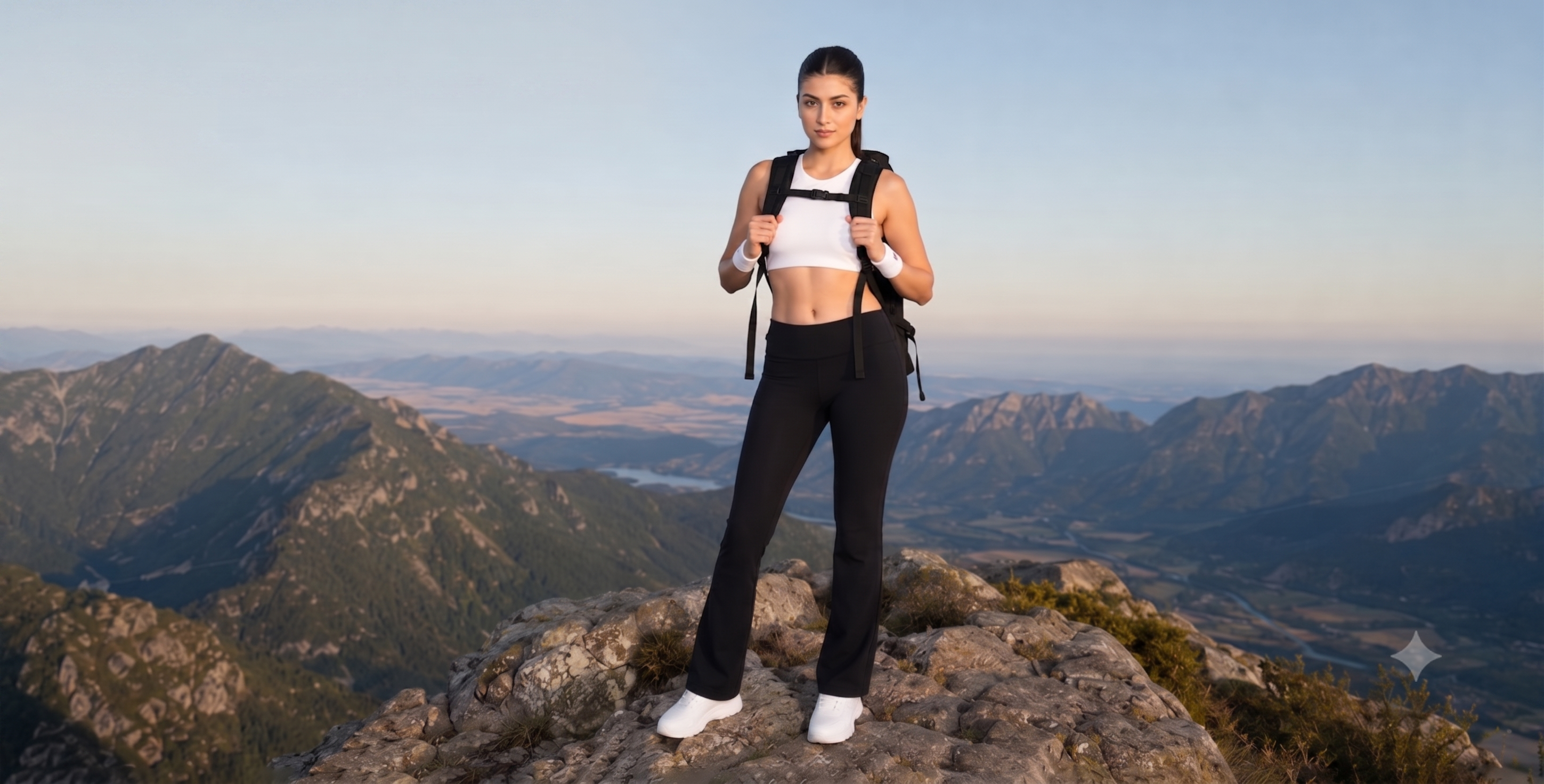
Whether you're trail walking, hiking, or road running, choose adaptive gear that accommodates changing outdoor conditions.
- Key Features: Quick-drying performance fabrics, reflective safety accents for low-light conditions, and packable windbreakers.
How Should Activewear Fit?
The right fit improves both comfort and movement efficiency during your workout.
- Leggings: Should feel supportive without digging painfully into your waist. The fabric must remain 100% opaque during deep squats or bends.
- Sports Bras: Should provide secure, motion-reducing support without restricting deep diaphragmatic breathing. The under-bust band should sit flat around your ribcage.
- Tops: Should allow complete arm elevation and torso rotation without restriction or excessive sagging.
Caring for Your Activewear
Proper maintenance preserves technical fiber elasticity, anti-chafing finishes, and moisture-wicking properties over time.
Washing Best Practices
- Wash after every workout to prevent sweat salts and oils from degrading synthetic fibers.
- Use cold or lukewarm water on a gentle cycle.
- Turn garments inside out to protect surface finishes and print details.
- Avoid fabric softeners and bleach, as softeners coat technical pores and destroy moisture-wicking capabilities.
- Use mild liquid detergent designed for athletic apparel.
Drying & Storage Tips
- Air dry whenever possible on a drying rack away from direct sunlight.
- Avoid high dryer heat, which melts elastane and reduces stretch memory.
- Fold leggings neatly and store sports bras flat to avoid crushing molded cups.
Frequently Asked Questions
What is the best fabric for activewear?
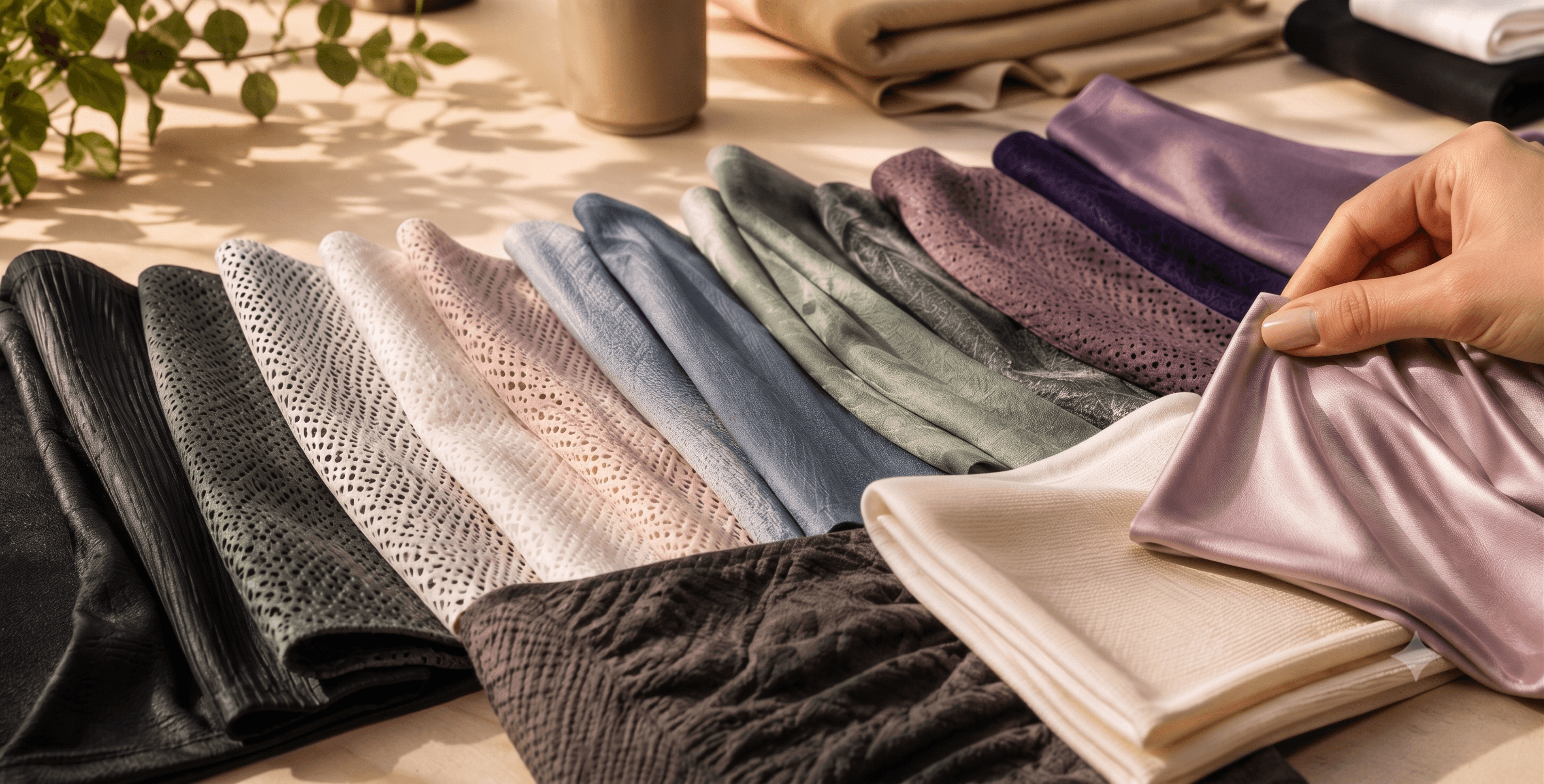
Performance blends combining nylon, polyester, and elastane offer the ideal balance of durability, multi-directional stretch, soft hand-feel, and rapid moisture wicking.
Should workout clothes fit tightly?
Activewear should fit securely against the body to prevent chafing and support muscles, but it should never restrict your natural breathing or movement range.
How many activewear outfits do I need?
For someone training 3 to 5 days a week, a capsule wardrobe of 3 leggings, 3 sports bras, and 3-4 performance tops is usually sufficient with a regular laundry schedule.
How often should I replace sports bras?
Depending on wear frequency and care methods, sports bras typically retain optimal compression support for 6 to 12 months.
Can activewear be worn every day?
Yes. High-quality performance activewear is designed with modern athleisure aesthetics, making it suitable for casual wear, travel, and daily errands.